


Troubleshooting & Fixing Low Water Pressure
Low Water Pressure: Diagnose It, Fix It, and When to Call a Pro
Low water pressure is one of those home annoyances that affects everything from showers to dishwashers. The good news: many causes are easy to find and fix. This guide walks you through how to diagnose low pressure, common culprits, simple DIY fixes, and when it’s time to call a technician. Read on and you’ll know exactly what steps to take and what to expect from a professional service. Addressing low water pressure promptly can significantly improve your daily comfort and prevent potential damage to your plumbing system and appliances.
How to Diagnose Low Water Pressure in Your Home
Start by figuring out whether the problem is isolated or system-wide. That distinction tells you whether to tackle a single fixture or look at the main supply, regulators, or even the city connection. Typical signs include weak faucet flow, slow-filling appliances, and pressure drops when multiple taps are running. This initial diagnostic step is crucial for efficient troubleshooting, saving you time and effort by narrowing down the potential problem areas.
Is low water pressure limited to one faucet or the whole house?
Check fixtures one at a time. If only one sink or shower is weak, the issue is likely local — think clogged aerator, showerhead, or a stuck valve. If several fixtures underperform, the problem may be in the main line, the pressure-reducing valve (PRV), or the municipal supply. Identifying the scope early saves time and points you to the right fix. For a whole-house issue, you might notice a significant drop in pressure during peak usage times, indicating a larger system-level concern.
How to test water pressure with a pressure gauge
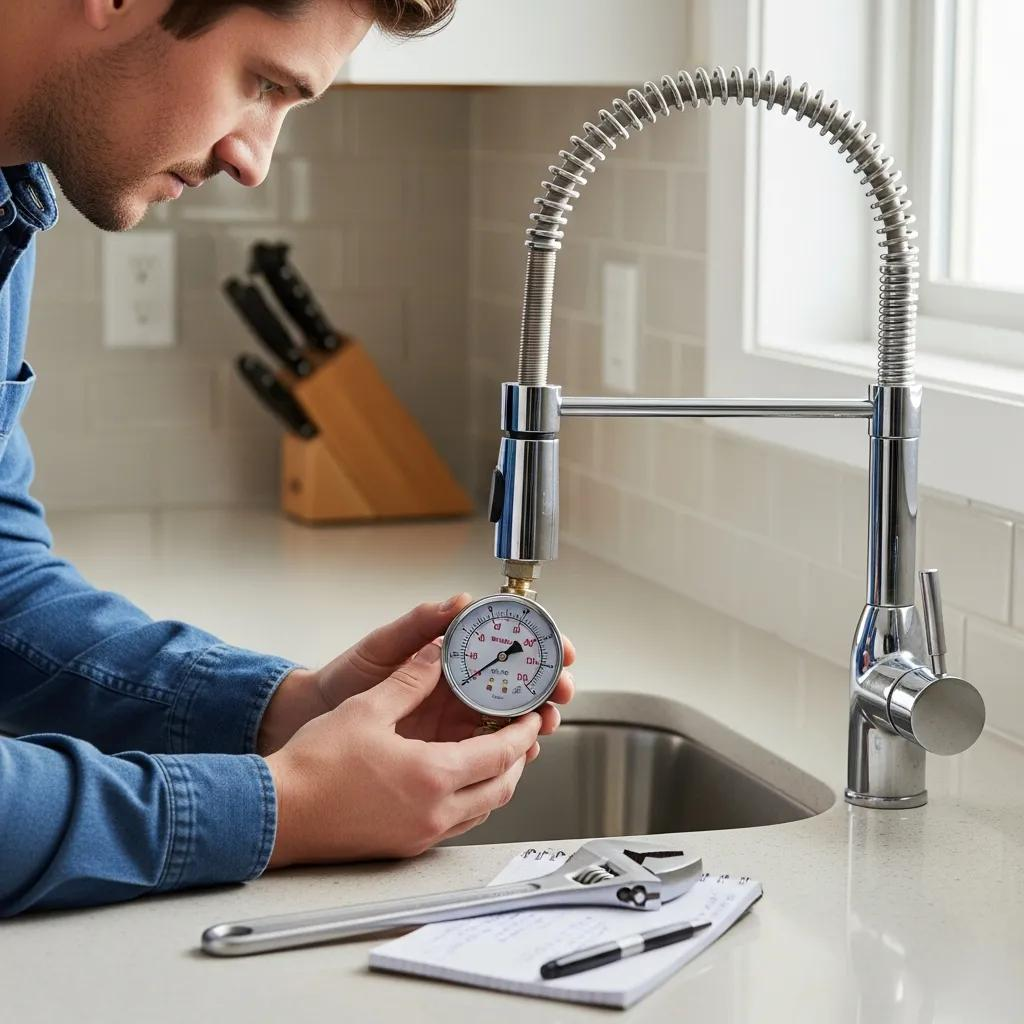
A pressure gauge gives you a quick, objective reading. Attach the gauge to an outdoor spigot or laundry faucet, open the water, and read the dial. Normal residential pressure usually falls between 40–60 psi, with ~50 psi being ideal. Readings consistently under 40 psi indicate a pressure problem worth addressing. It's a good practice to test at different times of the day to account for potential fluctuations in municipal supply pressure.
Common Causes of Low Water Pressure
Low pressure can come from several places: buildup in fixtures, failing regulators, leaks, or issues beyond your property. Knowing the usual suspects helps you narrow the hunt and pick the right repair path. Understanding these common causes is the first step toward effectively diagnosing and resolving your water pressure woes.
How do clogged aerators and showerheads reduce flow?
Mineral deposits and debris collect in aerators and showerheads over time, narrowing the openings and slowing flow. Cleaning these parts is a quick, inexpensive fix that often restores normal pressure. Unscrew the aerator, soak it in vinegar, rinse, and reinstall. Hard water, rich in calcium and magnesium, is a common culprit for this type of buildup, making regular cleaning essential.
Can a faulty pressure regulator cause low pressure?
Yes. Pressure-reducing valves keep water pressure stable coming into your home. When a PRV fails, you can see low pressure, spikes, or pressure that fluctuates. If you hear odd noises from pipes or notice unpredictable pressure, the regulator may need adjusting, repair, or replacement. Ignoring a faulty PRV can lead to inconsistent water flow and potentially damage your plumbing system over time.
Understanding how PRVs behave helps explain why pressure problems can be intermittent or hard to trace. Due to their mechanical nature, PRVs can degrade over time, making their assessment a critical part of any comprehensive pressure diagnosis.
Diagnosing Low Water Pressure: Identifying PRV Malfunctions
Pressure reducing valves (PRVs) are widely used to regulate pressures in the supply and distribution parts of water networks, by reducing the upstream pressure to a set outlet pressure (i.e., downstream of the PRV), usually referred to as set point. As all types of mechanical equipment, PRVs may exhibit malfunctions affecting pressure regulation, such as high frequency fluctuations around the set point and/or prolonged systematic deviations from the set point, allowing their detection to be approached in a statistical context.
Statistical framework for the detection of pressure regulation malfunctions and issuance of alerts in water distribution networks, A Perdios, 2022
DIY Fixes for Minor Low Water Pressure Problems
Many pressure issues are small and manageable: cleaning, simple maintenance, or a few checks can bring your water flow back to normal without a service call. Tackling these minor problems yourself can be a cost-effective and satisfying way to restore your home's water pressure.
Cleaning faucet aerators to restore flow
Remove the aerator, soak it in vinegar for about 30 minutes to dissolve mineral scale, then scrub gently with a soft brush and rinse. Reinstall and test the flow — you’ll be surprised how often this fixes weak taps. For stubborn clogs, you might need to use a small wrench to carefully remove the aerator, ensuring not to damage the faucet finish.
Flushing your water heater to remove sediment
Sediment in a water heater can reduce hot water flow. To flush: turn off power and water to the unit, attach a garden hose to the drain valve, open it and run until the water runs clear. Flushing yearly keeps the heater efficient and can improve hot-water pressure. This process helps remove mineral deposits and rust that accumulate at the bottom of the tank, which can impede water flow and reduce heating efficiency.
Regular water heater maintenance, including sediment removal, keeps hot-water pressure steady and helps prevent other issues. It also plays a significant role in extending the overall lifespan of your water heater, saving you money on premature replacements.
Fixing Low Hot Water Pressure: Water Heater Sediment Removal
water heater clean-out was determined, including draining the tank and removing sediments via brushing and flushing. Before cleaning, inorganics accumulated in the tank sediments
Residential water heater cleaning and occurrence of Legionella in Flint,
MI, A Mantha, 2020
When to Call a Plumber for Low Water Pressure
DIY works for many small problems, but some issues need professional tools or expertise. Call a plumber if you suspect a leak, the PRV is failing, the main line has problems, or you’re not comfortable doing the checks yourself. Attempting complex repairs without the necessary knowledge or equipment can lead to further damage and more costly fixes down the line.
What professional services does Apparatus Air provide for low water pressure?
At Apparatus Air Conditioning & Heating, Inc., our technicians diagnose pressure issues, replace or adjust regulators, repair damaged piping, and perform full plumbing inspections. We’ll find the root cause and recommend the most reliable, cost-effective solution. Our commitment to customer satisfaction means we utilize advanced diagnostic tools to ensure an accurate assessment and lasting repair.
How do professional pipe repair and repiping fix pressure problems?
Corroded or damaged pipes and hidden leaks reduce water pressure and waste water. A licensed plumber can locate leaks, repair sections, or replace aging pipes. Repiping restores flow and prevents repeat issues, protecting your home and fixtures in the long run. Modern repiping often involves durable materials like PEX or copper, which are resistant to corrosion and can significantly improve water delivery throughout your home.
How Water Pressure Booster Pumps and Regulators Work
Booster pumps and regulators control the pressure that reaches your fixtures. Knowing what each device does helps you choose the right fix for low pressure problems. While a regulator stabilizes pressure, a booster pump actively increases it, serving different needs within a plumbing system.
Benefits of installing a water pressure booster pump
A booster pump raises the incoming water pressure so every fixture gets enough flow. It’s a good option where municipal pressure is low or when multiple high-demand fixtures run at once. Results include stronger showers, faster appliance fills, and a more comfortable home overall. This ensures consistent pressure throughout your entire house, even when multiple water sources are in use simultaneously.
Research supports booster pumps as an effective fix when demand outstrips supply or pressure at the meter is too low.
Boosting Low Shower Pressure: When to Install a Water Booster Pump
To address inadequate shower pressure, an auxiliary pump known as a booster pump is necessary. The need for a booster pump is determined by the cumulative demand from plumbing equipment, where the total capacity required is 6057 liters/hour.
Design of clean water booster pump for high-rise buildings, LPI Midiani, 2023
How is a water pressure regulator repaired or replaced?
Repairing or replacing a pressure regulator generally requires shutting off your water, removing the old regulator, and installing a new one. Because this affects the whole house, we recommend letting a qualified plumber handle the job to ensure the correct setting and safe operation. Proper sizing and calibration of the new regulator are crucial for optimal performance and to prevent future pressure issues.
How to Prevent Future Low Water Pressure Problems
Preventing low pressure is mostly about regular checks and timely maintenance. Small investments now reduce headaches later. A proactive approach to your home's plumbing can save you from costly emergency repairs and prolonged inconvenience.
Why regular plumbing maintenance matters for pressure
Routine inspections catch leaks, scale buildup, and worn parts before they become big problems. Simple maintenance — cleaning aerators, flushing your heater, and watching for leaks — keeps pressure stable and extends the life of your system. This preventative care is key to avoiding sudden drops in pressure and the associated disruptions to your daily life.
Advantages of professional plumbing inspections
A professional inspection gives you a full picture of your system, early detection of hidden issues, and clear recommendations. It’s an economical way to avoid emergency repairs and keep water pressure consistent year-round. Gaining peace of mind from expert advice and a thorough assessment of your plumbing system is an invaluable benefit.
To sum up: diagnose whether the issue is local or whole-house, try the simple fixes above, and call a professional if problems persist. If you need expert help, don’t hesitate to contact Apparatus Air Conditioning & Heating, Inc. — we’ll find the cause and get your water flowing properly again.
Frequently Asked Questions
What are the signs of low water pressure in my home?
Look for weak flow from faucets and showers, slow-filling tubs or appliances, and pressure drops when more than one fixture runs. If flow feels weak across several fixtures, it’s likely a system issue rather than one clogged tap. These signs can significantly impact your daily routines, making simple tasks like showering or washing dishes frustrating.
How can I prevent low water pressure in the future?
Regular maintenance is the best prevention: inspect for leaks, clean aerators and showerheads, and flush your water heater periodically. Schedule a professional inspection every few years to catch issues before they affect pressure. Consistent preventative measures are the most effective way to ensure long-term, stable water pressure throughout your home.
Are there temporary fixes for low water pressure?
Yes — cleaning aerators and showerheads, checking for visible leaks, and adjusting a PRV (if you know how) can offer short-term relief. For lasting fixes, have a professional diagnose and repair the underlying cause. It's important to remember that temporary fixes often don't address the root problem and may only provide brief respite.
How does a water pressure booster pump work?
A booster pump raises the pressure of the water entering your home so fixtures receive stronger flow. It uses a motorized pump to increase pressure downstream of the municipal supply — useful where city pressure is low or demand is high. Essentially, it "pushes" water through your system with greater force, ensuring adequate pressure at every tap.
What should I do if I suspect a leak?
Turn off the main water supply to limit damage, look for visible signs like stains or damp spots, and call a plumber if you can’t find the source. Prompt action prevents bigger problems and can restore pressure faster. You can also check your water meter for unusual activity, which might indicate a hidden leak even when no visible signs are present.
Can low water pressure affect my appliances?
Yes. Appliances like dishwashers, washing machines, and water heaters rely on adequate pressure. Low pressure can slow cycles, reduce efficiency, and lead to wear over time. Keeping pressure in the right range protects performance and appliance life. For example, a dishwasher might not clean dishes effectively if it doesn't receive sufficient water pressure during its cycles.
Conclusion
Low water pressure shouldn’t be a daily nuisance. With the right checks and routine maintenance you can solve most problems yourself — and for tougher issues, our team at Apparatus Air Conditioning & Heating, Inc. is ready to help with diagnosis and repair. Keep your home comfortable and your water flowing by taking action at the first sign of trouble. Ensuring a comfortable home environment with reliable water pressure is essential for modern living, and professional assistance is always available when needed.

hear what our satisfied
clients have to say





.webp)