


DIY Furnace Maintenance: Essential Tips for Every Homeowner
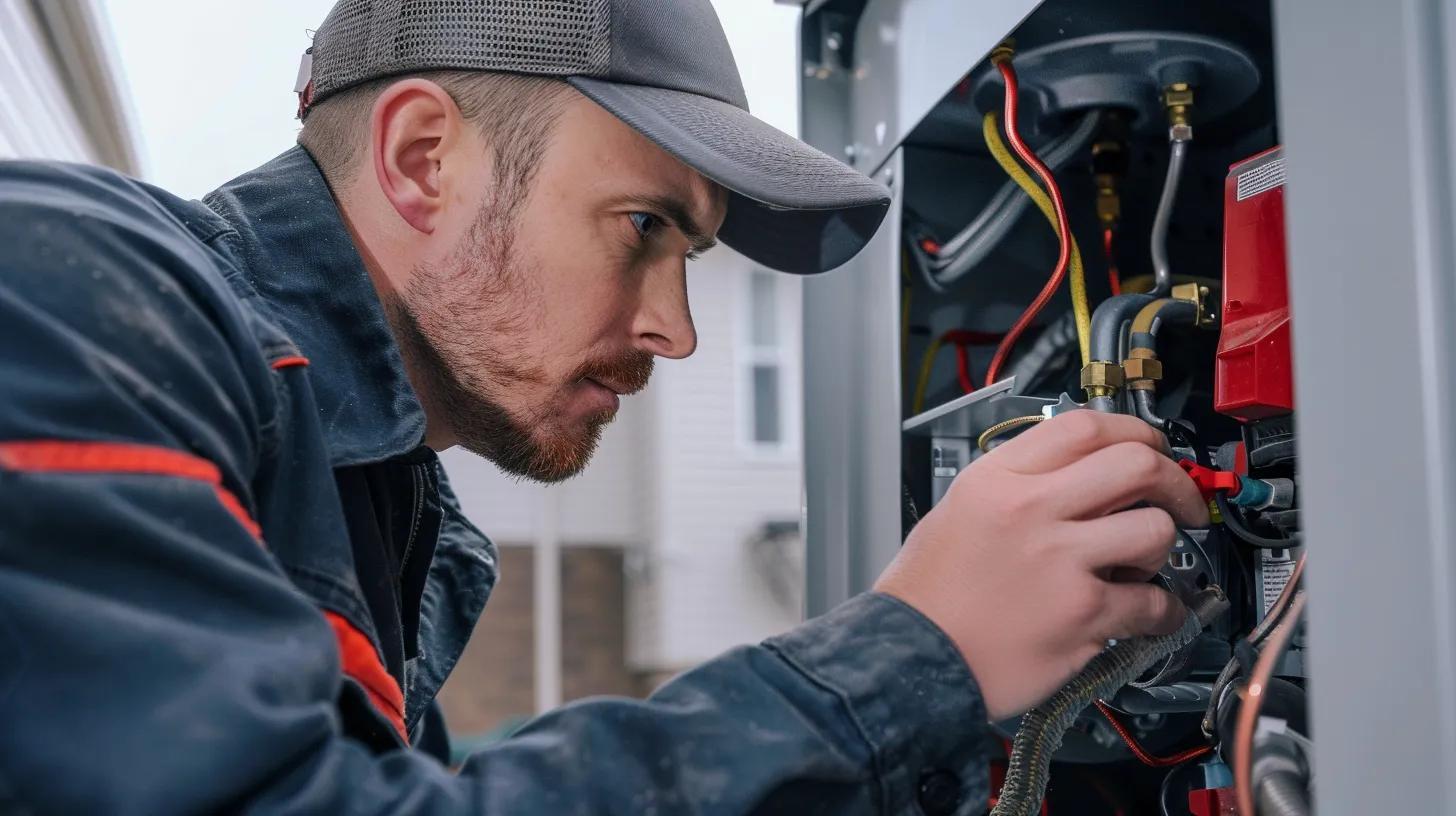
DIY Maintenance for Your Furnace: Simple, Safe Steps to Keep It Running Smoothly
Your furnace will thank you for a little regular care. This guide walks through practical, homeowner-friendly maintenance—filter swaps, flame sensor cleaning, blower and condensate-trap care, duct sealing, and a pre-winter checklist—that keep systems efficient, improve indoor air quality, and lower the chance of breakdowns. We explain what each part does, why routine care matters in dusty, desert-influenced areas like the Coachella Valley, and which jobs you can safely do versus when to call a pro. You’ll find clear step-by-step procedures, short tool lists, filter comparisons, and troubleshooting cues that point to professional service. Read on for a safety-first, local approach to extending system life and keeping your home comfortable.
Why Is Regular Furnace Maintenance Important for Homeowners?
Regular maintenance is simply scheduled checks and basic service tasks that keep your heating system running safely and efficiently. It preserves proper airflow, ensures reliable ignition, and keeps distribution sealed. Routine care lowers energy use by preventing clogged filters and restricted airflow, catches combustion or venting problems before they become hazards, and reduces wear on motors and controls—extending equipment life. In dusty regions, frequent attention prevents accelerated wear from particulates and helps protect indoor air quality for people with allergies. The payoff is steady comfort, fewer urgent repairs, and lower seasonal bills when systems are looked after proactively.
Key homeowner benefits from routine maintenance:
- Lower energy use thanks to reduced blower runtime and better heat transfer.
- Improved safety by reducing carbon monoxide and combustion risks.
- Longer equipment life with fewer premature component failures.
Those benefits come from a few core mechanisms—airflow, ignition sensing, and duct sealing—which is why focused DIY actions can make a real difference.
How Does Furnace Maintenance Improve Energy Efficiency and Safety?
Maintenance restores and preserves proper airflow and combustion balance: clean filters lower static pressure, a clean flame sensor keeps ignition reliable, and sealed ducts prevent conditioned air from escaping. When airflow is right, the blower runs less and heat exchange stays stable, which reduces electricity or gas use. Safety improves because maintenance verifies venting and inspects combustion parts that, if neglected, can produce carbon monoxide or cause incomplete combustion. Over a season, small efficiency gains add up to noticeable bill savings—and in dusty desert climates filters and coils need attention more often. Those realities make simple jobs like filter swaps and flame-sensor cleaning useful, homeowner-safe steps.
What Are the Risks of Neglecting Furnace Maintenance?
Skipping maintenance increases the chance of mechanical breakdowns, higher utility bills, and safety problems like carbon monoxide leaks and poor indoor air quality from accumulated dust and allergens. A clogged filter restricts airflow, can overheat the furnace, shorten blower life, and trigger safety shutdowns. A dirty flame sensor may stop ignition, causing repeated cycling and extra stress on gas components. In desert regions, heavy particulate loads speed wear and can coat heat exchangers, raising repair costs or shortening system life. Knowing these risks shows why regular DIY checks and prompt professional help matter for safety and long-term cost control.
How to Replace Your Furnace Air Filter: A Step-by-Step DIY Guide
Changing the furnace filter is one of the easiest, highest-impact DIY tasks you can do. It restores airflow, protects the blower, and improves indoor air quality by trapping dust and allergens. The basic steps: power down the furnace, remove the old filter while noting size and airflow direction, fit the correct replacement with the arrow toward the blower, then restart and confirm normal operation. Doing this on a schedule lowers energy use and prevents buildup that can harm other components—making it one of the most cost-effective maintenance tasks.
Tools and materials for a safe, correct filter change:
- A marker and gloves to label and handle filters cleanly.
- A replacement filter sized for your unit and matched to airflow direction.
- A soft brush or vacuum to clear the filter housing before installing the new filter.
Follow these steps to replace the filter:
- Turn off power at the thermostat and the furnace switch to prevent accidental startup.
- Open the filter access panel, note the old filter’s size and airflow arrow, and pull it straight out to limit dust dislodging.
- Vacuum or brush the housing if needed, then insert the new filter with the arrow pointing toward the furnace blower.
- Close the panel, restore power, and run a short cycle to confirm steady airflow and normal operation.
Filter types trade cost, airflow, and particle capture—choose one that matches your home and system:
Higher MERV filters catch smaller particles but can restrict airflow if the blower wasn’t sized for them. In Coachella Valley conditions—where dust is common—check filters monthly and replace on the shorter end of manufacturer guidance.
If a filter change doesn’t restore normal airflow or the furnace behaves oddly after a swap, schedule a professional inspection. For repairs, maintenance, or replacements you can to request service.
What Are the Best Practices for Cleaning Furnace Components Yourself?
Cleaning accessible parts—like the flame sensor, blower wheel, and fan housing—helps combustion reliability and airflow while reducing wear. A homeowner-safe approach means cutting power, identifying components, using non-damaging tools, and avoiding any work that requires opening sealed electrical or gas systems. Gentle cleaning restores sensor function and removes debris that causes imbalance, noise, and reduced efficiency. If a task requires motor removal, belt replacement, or gas-control adjustments, stop and call a technician. A cautious, consistent process keeps maintenance effective and safe.
Recommended tools and methods for common cleaning tasks:
- Fine emery cloth or very fine sandpaper for light flame sensor cleaning.
- Soft-bristled brush and a vacuum with a narrow nozzle for blower-wheel and housing debris.
- Protective gloves, safety glasses, and a non-conductive flashlight for inspections.
Work gently and only on parts you can access. Over-scrubbing sensors or forcing bearings can cause new problems. After cleaning, run a full cycle to confirm steady ignition and normal blower operation; if issues continue, call a professional for diagnostics and replacement parts if needed.
How Do You Clean the Furnace Flame Sensor for Optimal Performance?
The flame sensor confirms the burner is lit and tells the control board to keep the gas valve open. Soot or oxidation on the sensor can interrupt that signal and cause shutdowns. To clean it safely: switch off power and gas, remove the access panel, find the thin metal rod near the burners, remove its mounting screw(s), and gently wipe the rod with a fine emery cloth until it’s bright. Reinstall carefully so alignment is preserved. After reassembly, restore power and watch a few ignition cycles—if the sensor fouls repeatedly or ignition stays unreliable, contact a technician.
What Are the Steps to Clean Your Furnace Blower and Fan Components?
The blower moves conditioned air through your ducts and can collect dust that reduces airflow and creates noise. Start by cutting power, remove the blower access panel, and note wheel orientation. Vacuum loose dust and wipe housing surfaces with a dry cloth. If blades are reachable, use a soft brush to dislodge stubborn buildup—don’t bend blades. Never remove motor mounts or bearings unless you have the skill to reassemble safely. After reassembly, power the furnace and listen for vibration or unusual sounds; ongoing imbalance or motor overheating means it’s time for professional servicing.
How to Identify and Clean Your Furnace Condensate Trap: A Homeowner’s Guide
On high-efficiency condensing furnaces, the condensate trap collects acidic condensate and can clog from algae, mineral deposits, or debris. Clearing the trap keeps the condensate drain flowing and prevents safety shutdowns. Locate the trap near the drain line, isolate the area safely, and perform a short flush or mechanical clear of visible obstructions. Regular checks and simple maintenance cut down on forced shutdowns and water damage. If clogs recur, the trap is cracked, or the design is inaccessible, get a professional to inspect the drain or condensate pump. Recognizing clog signs lets you triage quickly and call for help when needed.
Common causes of condensate trap clogs and simple prevention steps:
- Biological growth (algae) from standing water — flush the trap monthly.
- Mineral buildup from hard water — use occasional mild vinegar flushes instead of strong chemicals.
- Debris or misaligned drain lines — clear visible obstructions and check slope.
Preventive habits—monthly flushing in dusty or hard-water areas and ensuring the trap and drain line slope correctly—help avoid standing water. If flushing and basic clearing don’t restore flow, or you find cracked parts, schedule a professional inspection to prevent repeated shutdowns and water damage.
What Causes Condensate Trap Clogs and How Can You Prevent Them?
Condensate clogs usually come from biological growth fed by standing water, mineral scale in hard-water areas, or debris introduced during installation or past service. Prevent clogs by flushing the trap monthly with warm water and a little vinegar, installing a small inline screen when practical, and confirming the drain line slope prevents pooling. In arid, dusty regions, particulates mixed with moisture can speed clogging, so check more often during peak HVAC use. Regular prevention cuts down on emergency service calls and keeps high-efficiency furnaces running without nuisance shutdowns.
What Tools and Safety Tips Are Needed for Condensate Trap Cleaning?
Useful tools for safe condensate-trap maintenance include a bucket, flexible tubing for a controlled flush, gloves, and a flashlight for inspection. Avoid pouring concentrated chemicals down the drain. Safety steps: cut power when working near electrical parts, place absorbent towels to catch spills, and use mild vinegar or manufacturer-recommended cleaners to avoid damaging plastic traps or PVC lines. Stop and call a pro if you find cracked traps, inaccessible fittings, persistent leaks, or if you’d need to disassemble sealed pump assemblies. Those precautions keep the task homeowner-friendly while reducing risk.
How to Perform a Home Furnace Maintenance Checklist Before Winter
A pre-winter checklist gets your furnace ready for steady use by verifying filters, controls, safety devices, and distribution systems—reducing emergency breakdowns and improving first-run efficiency. A short, prioritized checklist highlights the tasks with the biggest impact: filter swaps, thermostat checks, vent clearance, and carbon monoxide detector testing. In dusty climates, emphasize filter and vent inspections and document results so you can spot emerging trends. Getting this done early in the season helps ensure comfortable operation when temperatures drop.
Essential DIY checks for your seasonal routine:
- Replace or inspect filters and monitor them monthly during dusty periods.
- Test the thermostat for accurate response and replace batteries if applicable.
- Inspect vents and flues for blockages, animal nests, or visible gaps.
Other important items: test carbon monoxide detectors near sleeping areas, verify outdoor vent terminations are clear, and observe the furnace through a full heat cycle for odd sounds or smells. If you notice repeated cycling, strange noises, smoke, or a gas odor, stop using the furnace and contact a qualified technician right away.
What DIY Checks Should You Include in Your Furnace Maintenance Routine?
Keep monthly checks quick and focused—filter condition, thermostat response, visible vent obstructions, and condensate drain status—then do a fuller pre-winter review that includes checking burners for soot, testing safety switches, and confirming clearances around the furnace. Track recurring problems like frequent filter clogging or temperature inconsistency to guide future maintenance or professional service. These routine checks catch common issues early and let homeowners handle low-risk fixes or plan preventive professional work before demand spikes.
When Should You Call a Professional for Furnace Maintenance or Repairs?
Call a professional for red-flag conditions or any repair that involves combustion, gas, or complex electrical work: persistent gas smell, repeated ignition failures, visible soot or smoke, frequent breaker trips, strange combustion odors, or suspected carbon monoxide exposure. Also call a technician if the furnace needs internal part replacement, a heat-exchanger inspection, or complex electrical diagnostics beyond basic filter and sensor cleaning. For homeowners who want a thorough seasonal tune-up, a professional can perform combustion analysis, safety checks, and performance adjustments that go beyond DIY scope. If you prefer, we’re available for repairs, maintenance, installations, and replacements—reach out through our contact page.
Frequently Asked Questions
What tools do I need for basic furnace maintenance?
For basic furnace maintenance, you will need a few essential tools. A soft brush or vacuum with a narrow nozzle is great for cleaning accessible components like the blower and flame sensor. A fine emery cloth is useful for cleaning the flame sensor itself. Additionally, having gloves, safety glasses, and a flashlight can help ensure safety and visibility while performing maintenance tasks. Always remember to turn off the power to the furnace before starting any maintenance work.
How can I improve indoor air quality through furnace maintenance?
Improving indoor air quality through furnace maintenance involves regular filter changes and cleaning accessible components. Replacing filters frequently helps trap dust, allergens, and other pollutants, preventing them from circulating in your home. Additionally, cleaning the blower and flame sensor can enhance airflow and combustion efficiency, further reducing indoor air contaminants. Regularly inspecting and sealing ducts can also prevent dust and allergens from entering your living spaces, contributing to a healthier indoor environment.
What should I do if my furnace makes unusual noises?
If your furnace is making unusual noises, it’s important to investigate the cause. Common sounds like banging or rattling may indicate loose components or debris in the blower. Whistling could suggest airflow issues, often due to a clogged filter. If you hear persistent or alarming noises, it’s best to turn off the furnace and contact a professional technician. They can diagnose the issue accurately and perform necessary repairs to ensure safe and efficient operation.
Conclusion
Regular DIY care keeps your furnace efficient, improves indoor air quality, and helps protect your family’s safety—while reducing repair costs and extending equipment life. Follow these practical steps and checklists to catch small problems early. If you’d like expert help or a seasonal tune-up, and we’ll take it from there.

hear what our satisfied
clients have to say




.webp)