


HVAC Installation in Bermuda Dunes, CA
HVAC Installation in Bermuda Dunes, CA
Replacing or installing a new HVAC system in Bermuda Dunes, CA is a critical investment in comfort, safety, and energy costs. With long, hot summers in the Coachella Valley and frequent dust and temperature swings, the right system and a professional installation process reduce breakdown risk, lower utility bills, and keep indoor environments healthy. What a full residential or commercial HVAC installation entails in Bermuda Dunes, common local issues, the installation process, warranty considerations, post-installation testing, and practical tips to get the best performance from your new system.
Common HVAC installation types and issues in Bermuda Dunes
Bermuda Dunes properties typically need systems optimized for heavy cooling loads and dust mitigation. Common installation types include:
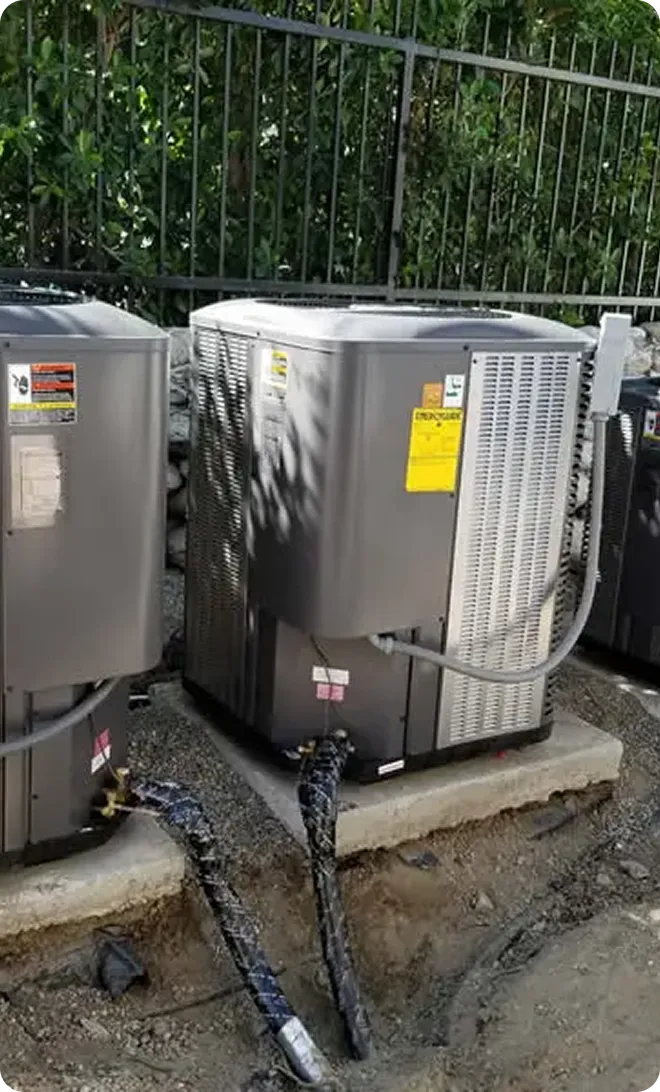
- Split systems for single-family homes and small businesses.
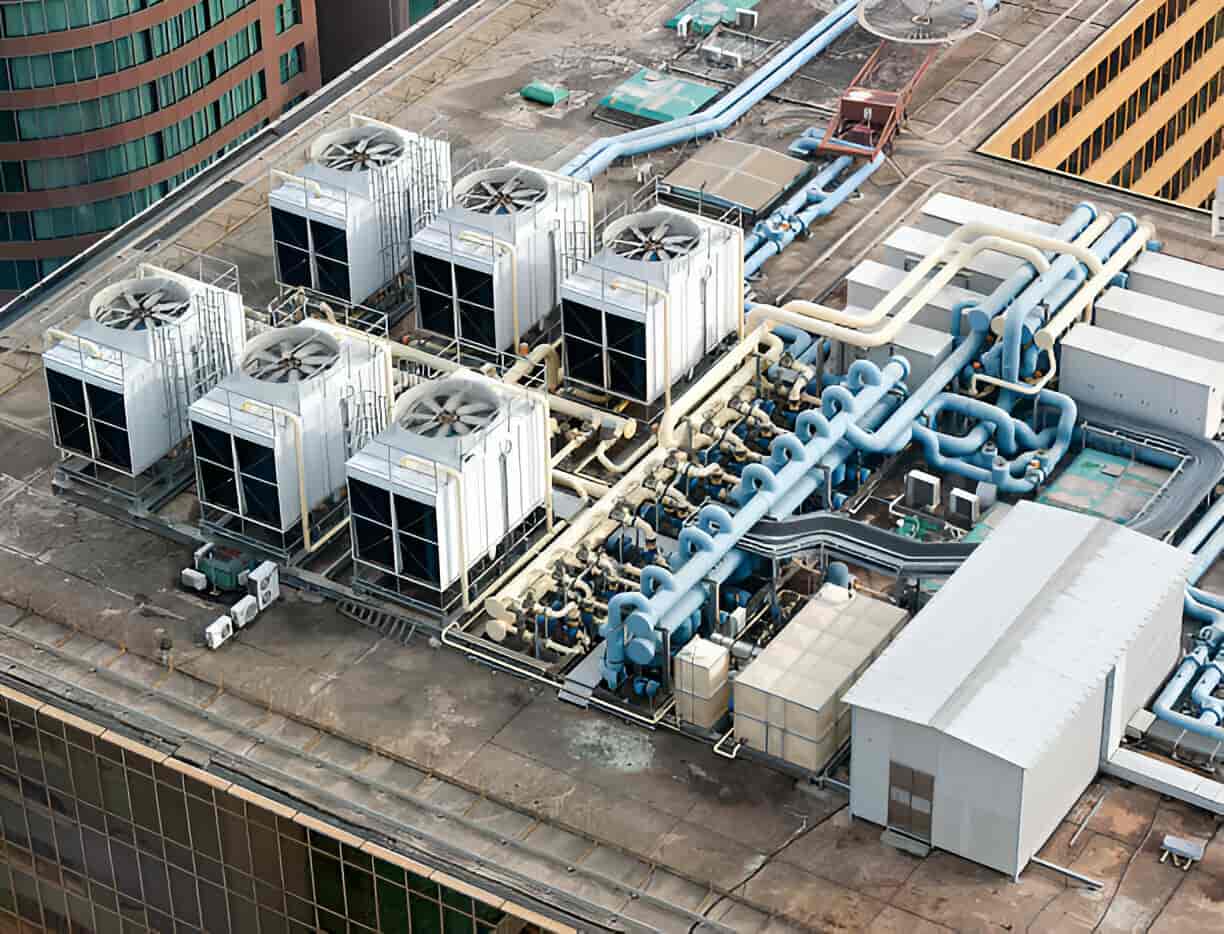
- Packaged rooftop units for commercial properties and multi-tenant buildings.
- Ductless mini-splits for room additions, retrofits, or zones with no ductwork.
- Heat pumps that provide efficient cooling and moderate heating during mild winters.
Frequent local installation issues to avoid:
- Oversized equipment that cycles frequently and reduces dehumidification.
- Undersized systems that struggle during extreme heat.
- Poorly sealed or insulated ductwork, especially in hot attics, causing energy loss.
- Improper refrigerant charge or airflow leading to premature compressor failure.
- Inadequate filtration and return-air design that lets desert dust degrade equipment and indoor air quality.
Site assessment and load calculations
A professional installation starts with a thorough site assessment and precise load calculations. This is the only way to size equipment correctly for Bermuda Dunes conditions.
- Perform a Manual J load calculation to determine heating and cooling loads based on home size, orientation, insulation, window types, occupancy, and local climate data.
- Evaluate duct design with a Manual D assessment to size ducts and returns for proper airflow.
- Inspect attic, crawlspace, and equipment locations for ventilation, shading, and access.
- Identify opportunities to lower load before sizing the system, such as adding insulation, improving windows, shading, or sealing air leaks.
Accurate sizing prevents common problems like short cycling, high energy use, and uneven comfort.
Selecting energy-efficient equipment
Choosing the right equipment matters in a hot, arid climate where cooling dominates your energy needs.
- Look at SEER ratings for cooling efficiency. Higher SEER units deliver better seasonal efficiency but evaluate lifecycle cost and local climate suitability.
- Consider variable-speed compressors and variable-air-volume fans for improved comfort, quieter operation, and better humidity control.
- For commercial installs, packaged units with advanced controls can optimize runtime across multiple zones.
- Check refrigerant types and manufacturer specifications to meet current regulations and long-term serviceability.
- Confirm equipment compliance with California energy code (Title 24) and evaluate available incentives or rebate programs that may apply to high-efficiency systems.
Ductwork and system integration
Proper ductwork and system integration ensure your new HVAC performs as designed.
- Seal all duct seams with approved mastic or foil tape and insulate ducts in unconditioned spaces to minimize heat gain.
- Balance supply and return sizing to avoid negative pressure and poor airflow.
- Ensure proper placement of thermostats and sensors away from direct sunlight or drafts.
- Integrate filtration and optional air-cleaning technologies to reduce dust and protect system components in the desert environment.
- For commercial installations, coordinate rooftop curb, structural supports, and electrical service for safe, code-compliant installation.
Professional installation steps
A reliable installation follows a structured process to protect equipment longevity and occupant safety:
- Obtain required permits and schedule inspections per local jurisdiction rules.
- Remove old equipment safely and prepare the site, including pad and mounting adjustments.
- Install outdoor and indoor units, duct connections, refrigerant lines, electrical wiring, and condensate management.
- Evacuate and charge refrigerant per manufacturer specifications and best practices.
- Connect and program controls, thermostats, and any building automation interfaces.
- Perform start-up checks, safety verifications, and initial balancing.
Each step should follow manufacturer instructions and industry best practices to preserve warranties and ensure peak performance.
Warranty and manufacturer information
Understanding warranties protects your investment.
- Distinguish between manufacturer parts warranty and installer labor warranty. Manufacturer warranties often require professional installation and registration.
- Keep records of load calculations, start-up forms, and service invoices to support warranty claims.
- Confirm who performs warranty labor and whether the installer provides a workmanship guarantee.
- Follow recommended maintenance schedules — many manufacturers require yearly service to keep parts warranties valid.
Post-installation testing and commissioning
After installation, thorough testing confirms the system meets design expectations:
- Verify refrigerant charge, system pressures, and superheat/subcooling values.
- Measure airflow and static pressure to ensure balanced distribution.
- Check temperature split (delta T) across the evaporator and supply registers.
- Test safety controls, electrical connections, and thermostat calibration.
- Perform a combustion and ventilation safety test for gas furnaces or packaged units with burners.
- Provide a commissioning report documenting results and any adjustments made.
Proper commissioning improves efficiency and reduces callbacks.
Tips for maximizing system performance in Bermuda Dunes
- Change or clean filters monthly during heavy use and use high-quality filters to limit dust buildup.
- Schedule professional maintenance at least once a year, ideally before peak summer demand.
- Shade outdoor condenser units and maintain 24 inches of clearance for airflow.
- Seal attic penetrations, add insulation where needed, and ensure attic ventilation to reduce duct heat gain.
- Use programmable or smart thermostats to minimize runtime during unoccupied periods.
- Consider zoning or variable-speed systems for large homes to reduce energy use and improve comfort.
Why a professional, code-compliant installation matters
A correctly planned and executed HVAC installation tailored to Bermuda Dunes climate delivers better comfort, lower operating costs, improved indoor air quality, and longer equipment life. Skipping load calculations, duct sealing, or proper commissioning can lead to frequent repairs, higher bills, and voided warranties. Investing in a full-service installation that includes site assessment, energy-efficient equipment selection, quality ductwork, and comprehensive testing ensures your home or business stays comfortable and reliable through every Coachella Valley summer and beyond.

hear what our satisfied
clients have to say





.webp)