


Heating Maintenance in Thousand Palms, CA
Heating Maintenance in Thousand Palms, CA
Keeping your heating system tuned and safe matters more in Thousand Palms than many inland communities. The desert climate brings large temperature swings, dusty air, and seasonal winds that accelerate wear on burners, motors, and filters. Routine and seasonal heating maintenance preserves comfort during cool winter nights, improves safety, and reduces the risk of expensive midseason breakdowns. Below is a practical, decision-focused guide to the maintenance programs, tune-up checklists, safety inspections, and service agreement options that make sense for Thousand Palms homes.
.jpg)
Why regular heating maintenance matters in Thousand Palms, CA
- Desert dust and sand: Fine particles get pulled into furnaces and heat pumps, clogging filters and fouling burners and coils faster than in coastal or inland areas.
- Large daily temperature swings: Repeated start-stop cycles increase stress on motors, belts, and electrical components.
- Seasonal winds and occasional monsoon humidity: These conditions can introduce corrosion, debris buildup, and short cycling if systems are not serviced.
- Safety and indoor air quality: Proper inspection reduces the risk of carbon monoxide exposure, combustion problems, and poor indoor air.
Common heating problems in Thousand Palms homes
- Reduced airflow from clogged filters and dirty blower wheels
- Pilot outages or weak burner flames caused by dust buildup
- Short cycling from improper thermostat calibration or restricted airflow
- Electrical faults, loose connections, and failing capacitors from thermal stress
- Cracked heat exchangers or venting issues exacerbated by corrosion or debris
- Refrigerant imbalance and inefficient heat transfer in heat pump systems
Recommended seasonal tune-up checklist
A thorough heating tune-up includes both cleaning and diagnostic steps. Typical items checked during a seasonal tune-up:
- Replace or inspect air filters; recommend frequency and MERV level for your home
- Inspect and clean burners, pilot assembly, and flame sensor (gas furnaces)
- Check heat exchanger for cracks, corrosion, or signs of leakage
- Test for proper venting and draft; inspect flue and seals
- Inspect belts and pulleys for wear, proper tension, and alignment; replace as needed
- Clean and inspect blower assembly and motor; lubricate bearings where applicable
- Tighten and inspect all electrical connections, breakers, fuses, and contactors
- Test thermostat function and calibrate set points; confirm sensor placement
- Measure system pressures and refrigerant levels (heat pump systems)
- Verify safety controls: limit switches, rollout switches, and emergency shutoffs
- Perform carbon monoxide test and combustion analysis for fuel-burning equipment
- Inspect ductwork for obvious leaks, disconnected sections, or insulation issues
- Operational run test: confirm stable ignition, smooth cycling, and proper heat output
Safety inspections and tests
Safety is a top priority for any heating service. Standard safety checks include:
- Combustion analysis to confirm correct air-fuel ratio and efficient burning
- Carbon monoxide monitoring at the furnace and in representative living spaces
- Gas line inspection for leaks and proper shutoff operation
- Heat exchanger inspection for fissures that could allow combustion gases to enter the home
- Verification of proper venting, clearances, and chimney/flue condition
These inspections identify hazards early and ensure your system meets basic safety expectations for Thousand Palms homes where residents often run heaters in the coolest months.
Efficiency optimization and cost savings
Maintenance directly improves system efficiency and lowers operating costs:
- Clean burners and coils restore combustion and heat transfer efficiency
- Properly tightened electrical connections and healthy capacitors reduce wasted energy
- Correct refrigerant charge (heat pumps) ensures optimal COP and less runtime
- Clean filters and blowers reduce blower motor strain and maintain airflow
- Calibrated thermostats prevent unnecessary cycles and temperature overshoot
Homeowners in Thousand Palms typically see better system responsiveness and lower energy use after a full tune-up, especially following the dusty spring and late-summer monsoon seasons.
Typical service process and what to expect
When a technician performs heating maintenance they generally follow a standard process:
- System shutdown and safety lock procedures
- Visual inspection and homeowner walkthrough of concerns
- Filter check and replacement if included in the service
- Component cleaning: burners, coils, blower wheel
- Mechanical checks: belts, pulleys, motor mounts, and lubricants
- Electrical checks: voltage, amperage, contactors, and wiring
- Combustion and CO tests for combustion systems
- System start-up and performance verification under load
- Written report of findings and recommended repairs or upgrades
Most residential tune-ups take about 45 to 90 minutes depending on system type and condition. Reports should include observed issues, prioritized recommendations, and expected outcomes if repairs are completed.
Service agreement options explained
Service agreements provide predictable maintenance and priority handling during peak seasons. Typical agreement tiers include:
- Basic Maintenance Plan
- Annual inspection and basic tune-up
- Filter reminders and recommended replacement schedule
- Seasonal scheduling window
- Standard Seasonal Plan
- Two tune-ups per year (heating and cooling seasons)
- Priority scheduling during high-demand periods
- Discounted diagnostic fees for covered repairs
- Premium Priority Plan
- Semiannual tune-ups, priority emergency response, and system performance checks
- Repair labor benefits and extended equipment reports
- Personalized reminders and seasonal optimization for desert conditions
Each plan is designed to keep systems operating safely and efficiently, reduce unexpected failures, and extend equipment life — especially important where temperature extremes and dust accelerate wear.
Homeowner maintenance tips for Thousand Palms
- Replace or clean filters every 1 to 3 months; increase frequency during dust storms or pollen season
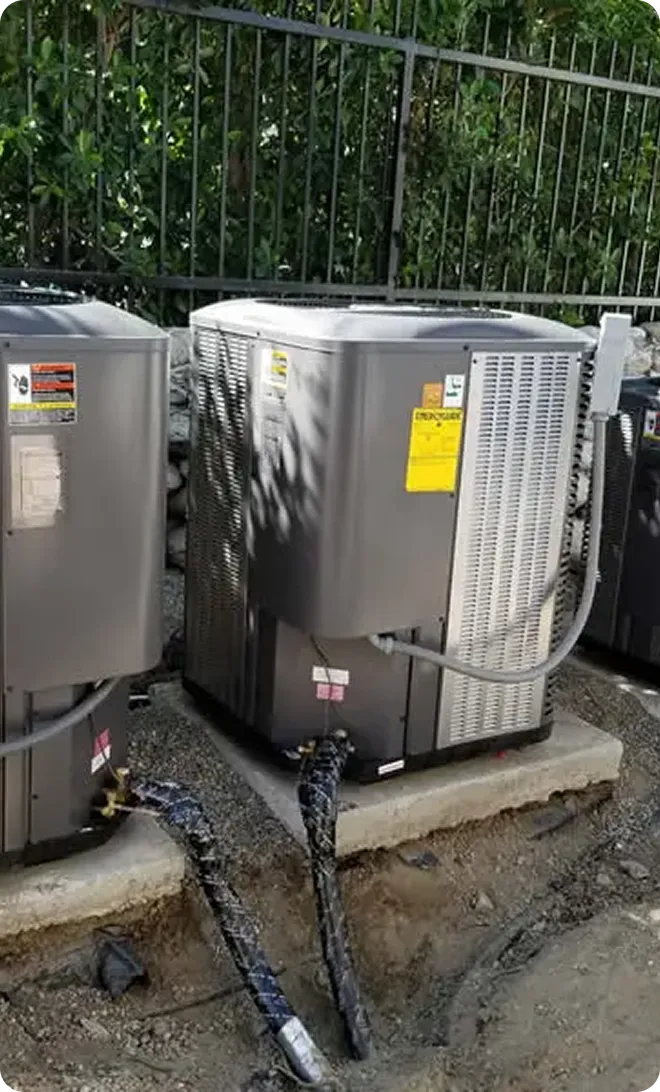
- Keep 2 feet of clearance around outdoor units and protect them from blowing sand
- Seal and insulate accessible duct connections to avoid heat loss and dust infiltration
- Program thermostat setbacks to avoid short cycling during daily temperature swings
- Schedule a heating inspection in early fall before winter use, and a cooling check in spring
Bottom line: benefits of proactive heating maintenance
Regular maintenance in Thousand Palms reduces the likelihood of midwinter breakdowns, improves safety, and delivers measurable energy savings. For desert-area homes, the combination of dust, wind, and temperature swings means preventive care is not optional if you want reliable heating, lower utility bills, and longer equipment life. Seasonal tune-ups, safety inspections, and an appropriate service agreement make your heating system dependable when you need it most.

hear what our satisfied
clients have to say





.webp)