


AC Installation in Indian Wells, CA
AC Installation in Indian Wells, CA
Upgrading or installing a new air conditioning system in Indian Wells, CA is one of the most effective investments you can make for comfort, energy savings, and indoor air quality. With long, intense summers, desert dust, and occasional monsoon humidity, homes and businesses in Indian Wells need AC systems sized and installed to withstand heavy cooling loads and local environmental stresses.
-min.webp)
Why a proper AC installation matters in Indian Wells
- High cooling demand: extended hot months mean the system runs more hours, so efficiency and correct sizing directly impact utility costs.
- Dust and sand: desert conditions increase filter and coil clogging risk; proper filtration and coil access are essential.
- Rapid temperature swings: evening cooling needs and daytime heat require a system that cycles efficiently and maintains stable indoor temperatures.
- Local permitting and energy rules: California energy standards and local building inspections affect equipment choices and installation methods.
Common reasons homeowners and businesses choose a new installation
- Frequent breakdowns or escalating repair costs on older units
- R-22 refrigerant phase‑out or difficult-to-service refrigerant systems
- High electric bills due to low SEER or undersized equipment
- Inconsistent temperature or rooms that never get cool
- Remodeling, home additions, or new construction requiring updated HVAC
- Desire for smart thermostat integration, zoning, or ductless solutions
Types of AC installations commonly performed in Indian Wells
- Split system (central) replacement — new outdoor condenser matched to indoor evaporator coil and existing or new furnace/air handler
- New ducted central systems — for homes without existing ducts or with deteriorated ductwork
- Ductless mini‑split systems — for add‑ons, garages, casitas, or rooms without ducts
- Packaged rooftop units — for commercial properties or single‑package applications
- Zoning and smart thermostat integration — improves comfort in homes with varying cooling needs
Initial site assessment and equipment selection
A responsible installation begins with a thorough on‑site evaluation:
- Load calculation (Manual J) to determine the correct capacity needed based on home size, orientation, insulation, window types, and occupancy.
- Duct evaluation (Manual D) to check for leaks, airflow capacity, and whether duct resizing or sealing is needed.
- Electrical assessment to confirm the existing service, disconnect, and breaker capacity are adequate for the selected equipment.
- Environmental factors such as sun exposure, shading, and prevailing winds in Indian Wells that influence equipment siting and condenser placement.
Equipment selection is matched to the evaluation and priorities:
- SEER rating: higher SEER provides better seasonal efficiency — particularly valuable given Indian Wells’ long cooling season.
- Variable‑speed and inverter compressors for smoother temperature control and reduced runtime.
- Refrigerant type: modern systems use R-410A or newer blends; avoid legacy R-22 systems that are costly to maintain.
- Filtration options: higher MERV filters or whole‑home air cleaners to reduce desert dust and protect coils.
Professional installation steps
- Permit pull and planning: obtain required permits and schedule inspections with the City of Indian Wells or Riverside County as applicable. Plan for energy compliance documentation (California Title 24 where required).
- Prepare site and remove old equipment: safely recover refrigerant, disconnect electrical, and remove existing units and debris.
- Ductwork work and modifications: repair, seal, or replace duct sections; add return paths or new supply runs if needed.
- Electrical and disconnects: install or upgrade disconnects, breakers, and, if necessary, service wiring to meet code.
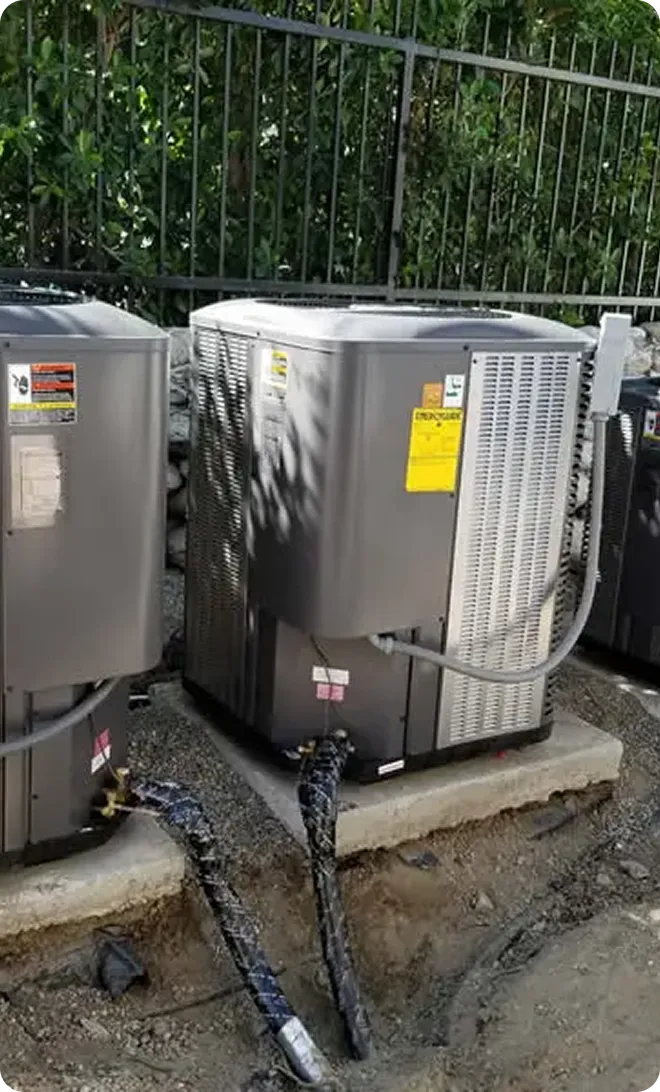
- Setting condenser and pad: level and set the outdoor unit above grade for drainage and airflow; ensure adequate clearance from walls and landscaping.
- Line set, insulation, and evaporator coil install: connect refrigerant lines, ensure proper insulation, and match coil to condenser for optimal performance.
- Thermostat and controls: install and configure programmable or smart thermostats, and set up zoning dampers if used.
- Startup, charge, and testing: evacuate and charge refrigerant per manufacturer specs, test airflow, measure temperatures and pressures, and balance the system.
- Commissioning and final inspection: perform a comprehensive inspection, provide documentation for warranties and permits, and schedule or complete the municipal final inspection.
Permitting, code compliance, and licensing
- Installations in Indian Wells must comply with California building and energy codes, including Title 24 energy efficiency requirements for certain replacements and new installations.
- Local permits and final inspections verify compliance with electrical, mechanical, and refrigerant handling regulations.
- HVAC work should be performed by licensed contractors with certification to handle refrigerants and meet California contractor licensing requirements. Proper permit closeout ensures eligibility for manufacturer warranties and protects resale value.
Warranty, documentation, and maintenance recommendations
- Manufacturer warranty: new equipment includes a manufacturer warranty for parts and limited compressors. Register equipment promptly to activate full terms.
- Labor warranty: installation labor warranties vary; verify what’s provided in writing.
- Maintenance plan: schedule biannual tune‑ups (spring and fall) to clean coils, check refrigerant, verify airflow, and change filters. In Indian Wells, consider quarterly filter changes or use higher capacity filters because of dust.
- Expected lifespan: well‑maintained central AC systems last 12–18 years depending on usage and environment; proper installation and seasonal maintenance significantly extend service life.
- Record keeping: keep manuals, permit paperwork, and service records together for future inspections or resale.
Expected timeline
- Residential replacements typically take 1 to 3 days depending on complexity (simple like‑for‑like swap vs. duct modifications).
- New duct installations or major replacements with electrical upgrades can take 3 to 7 days.
- Commercial or packaged rooftop installations vary more widely and are scheduled based on site preparation and inspections.
- Permit review and municipal inspections can add several days to a few weeks depending on local workloads.
Long‑term benefits of a correctly installed AC in Indian Wells
- Lower energy bills thanks to properly sized, higher‑efficiency equipment
- Improved comfort and consistent temperatures during extreme desert heat
- Reduced emergency repairs and longer equipment life
- Better indoor air quality with appropriate filtration for dust and pollen
- Code‑compliant installation that supports property value and avoids rework during inspections
Choosing the right system and ensuring a painstaking, code‑compliant installation are essential for reliable cooling in Indian Wells’ demanding climate. A thorough site assessment, professional duct and electrical work, correct refrigerant handling, and post‑installation commissioning deliver the efficiency, comfort, and longevity you should expect from a new AC installation.

hear what our satisfied
clients have to say





.webp)